

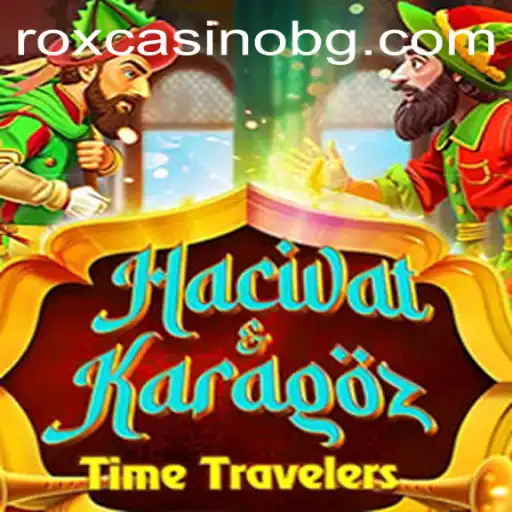
h1HacivatandKaragoz: Discover the Enchanting World of Shadow Puppet Theater/h1
h2Introduction to HacivatandKaragoz/h2
HacivatandKaragoz is more than just a game; it is a cultural treasure rooted in Ottoman traditions that have persisted through the centuries. Originating in the 16th century, this shadow puppet theater has captivated audiences with its unique blend of storytelling, humor, and artistry. The characters Hacivat and Karagöz represent the main figures in these performances, depicting the juxtaposition of intellect and ignorance.
The artistry involved in shadow puppetry is nothing short of magical. Utilizing translucent figures, vibrant colors, and a backdrop that serves as a canvas, puppeteers bring these stories to life. Traditionally performed during Ramadan, these shows were a staple of entertainment and have continued to enchant both children and adults alike.
In the age of digital entertainment, there's a growing curiosity and resurgence of interest in understanding and engaging with historical art forms like HacivatandKaragoz. Modern enthusiasts and developers have explored ways to integrate traditional games into today's digital platforms, bringing the charm of shadow puppetry to new audiences.
h2Game Description and Concept/h2
This interactive game captures the essence of HacivatandKaragoz, offering players the opportunity to engage in a virtual puppet show. Players take on the role of a puppeteer, maneuvering digital versions of the iconic Hacivat and Karagöz characters. The game is structured around traditional scripts, which the player must follow and improvise upon, resonating with the art's historical roots.
Advanced graphics and sound effects enhance the player experience, simulating the ambiance of a live performance. Like the live shows, the game revolves around separate acts that portray a series of misadventures and moral tales often infused with humor. The audience—represented by the game's AI—reacts in real-time to the performance, adding an interactive and dynamic element.
h2Rules and Gameplay/h2
Playing HacivatandKaragoz virtually involves adhering to structured yet flexible rules that mimic the spontaneity of live performances. Initially, players are offered a tutorial on puppet movement and voice modulation, essential skills for mastering the game.
h3Character Control/h3
The player controls the movement of two primary characters—Hacivat, known for his sophistication and Karagöz, known for his straightforward bluntness. The puppet movement is controlled using a combination of keyboard inputs or touch gestures to ensure fluidity akin to physical puppeteering.
h3Learning the Acts/h3
Before commencing a performance, players can practice the script of the act. The storyline unfolds in multiple acts resembling episodic content, making each gameplay experience unique. Each act begins with an introduction to the setting and a list of objectives that the player must achieve through storytelling.
h3Interactive Dialogues and Decisions/h3
One of the game's fascinating elements is its interactive dialogue system. As stories unfold, players decide responses for the characters, offering an element of unpredictability. Successful improvisation and dialogue pacing impact the success of the performance, demonstrated through audience reactions and points scored.
h3Creative Engagements/h3
The game offers creative engagements with guest characters from different cultures and eras, broadening the educational aspects of the game. Players can unlock new stories, masks, and shadow puppets by achieving high scores or completing narrative arcs. This feature encourages exploration and repeated gameplay.
h2Current Events and Modernization/h2
In recent years, there has been a concerted effort to revitalize traditional games like HacivatandKaragoz within contemporary contexts. Global interest in cultural preservation has prompted collaborations between tech developers and cultural historians, resulting in digital adaptations that respect authenticity while adding present-day relevance.
Educational institutions have integrated such games into curriculums to teach cultural literacy, enhancing students' appreciation for arts and history. Moreover, recent partnerships with VR platforms promise to take games like HacivatandKaragöz to even more immersive worlds, where players can experience the thrill of shadow play from the puppeteer's eyes.
Furthermore, with the world becoming more interconnected, these games serve as cultural bridges, introducing global audiences to stories and traditions that have shaped societies for generations. As we gear towards a future of blended realities, games like HacivatandKaragoz are poised to inspire creativity, continuity, and connection through the art of storytelling in shadows.